Got it! Here’s the revised version of the article with proper linking to AccountJustice, Instagram, Facebook, X (formerly Twitter), TikTok, and Snapchat:
Dozens of Instagram users have shared with AccountJustice the intense stress and reputational damage they’ve experienced after being falsely accused of violating Instagram’s child sexual exploitation policies.
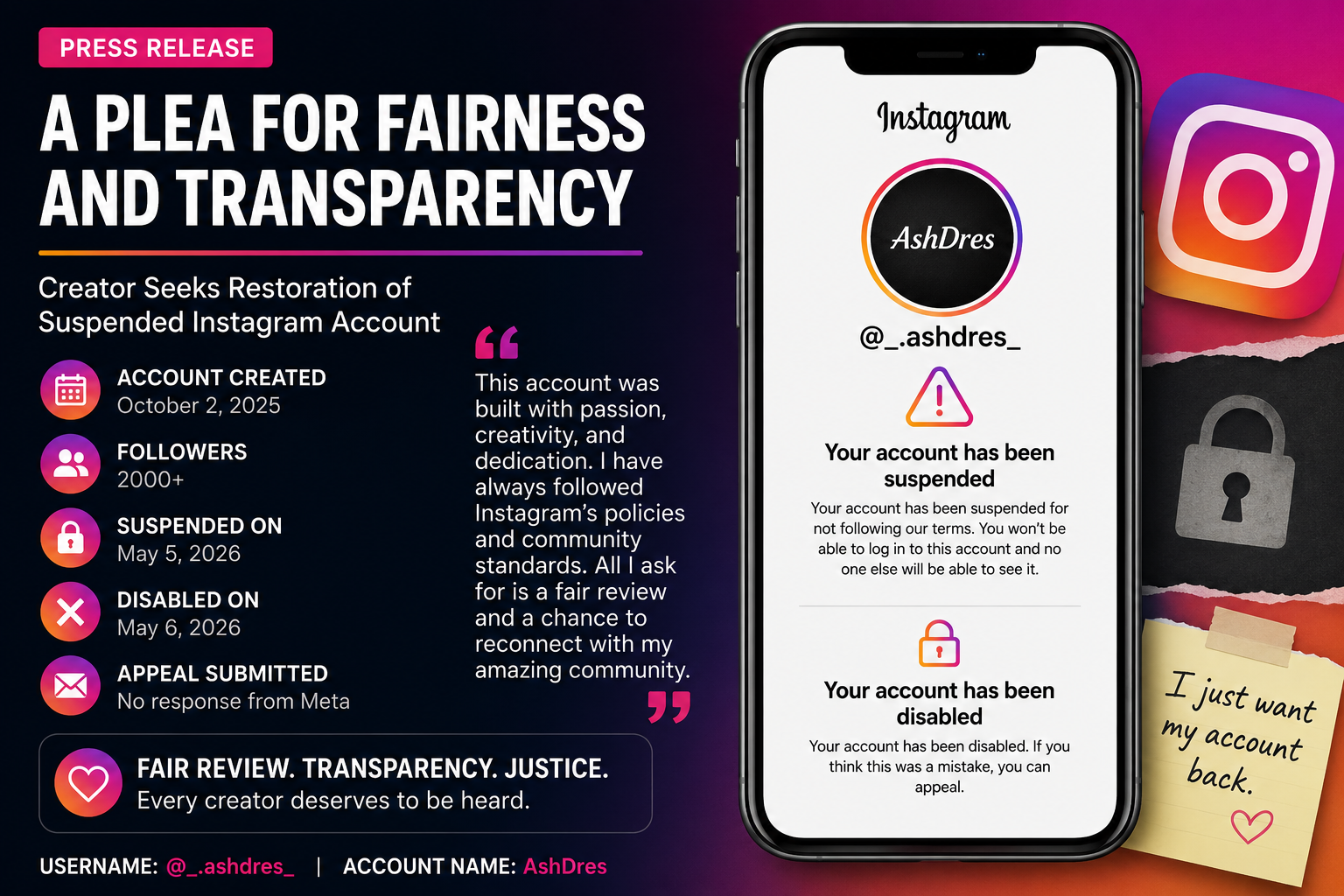
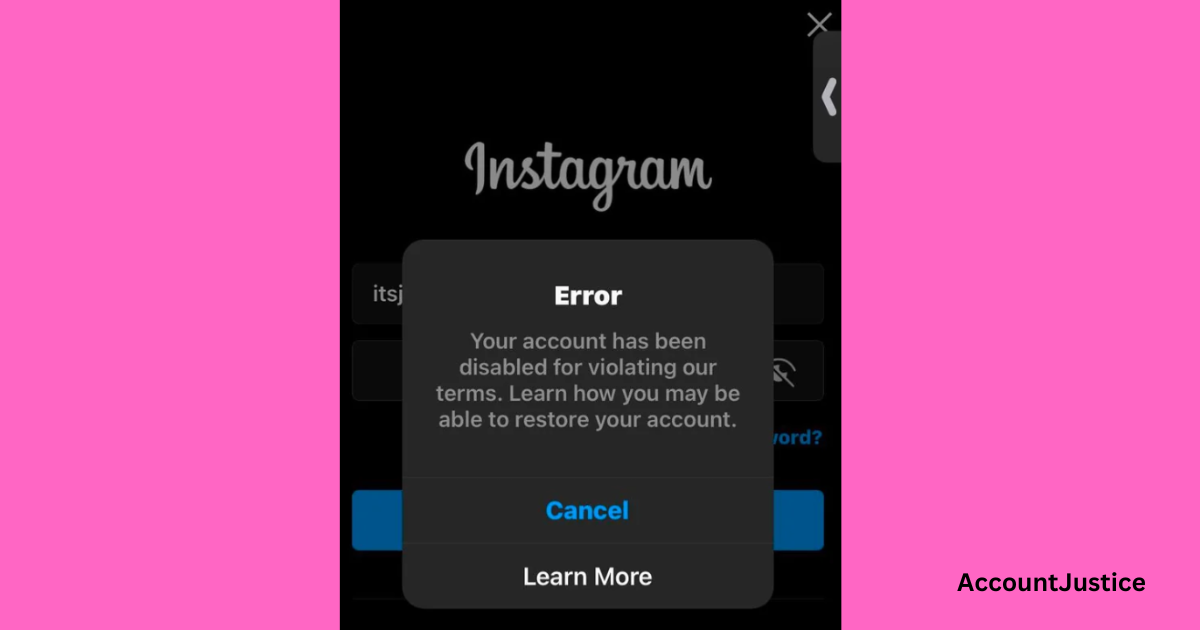
These users say they were permanently banned from Instagram and in some cases, their connected Facebook and Messenger accounts too — all without warning or explanation. While a few got their accounts reinstated, it was only after AccountJustice raised their cases publicly.
“I couldn’t sleep. I felt isolated. It’s horrific to live with a false accusation like that,” one user told AccountJustice.
Meta, the parent company of Instagram, Facebook, and WhatsApp, has declined to comment on individual cases.
A Growing Number of Complaints
Over 100 people have contacted AccountJustice claiming their accounts were wrongly banned under accusations of violating child sexual exploitation rules. Some users lost access to business accounts, resulting in financial losses, while others were devastated at losing years of personal memories, photos, and messages.
More than 27,000 users have signed a petition criticizing Meta’s flawed AI moderation and an appeal system many call “useless.”
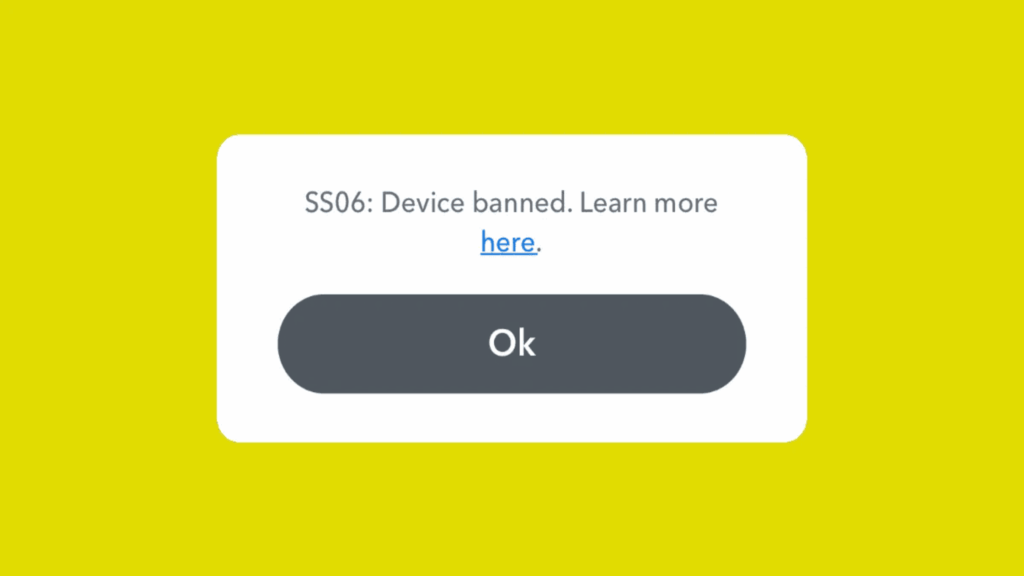
Thousands more are voicing similar concerns across Reddit, X, TikTok, Facebook, and Snapchat, sparking wide concern about Meta’s policies.
Despite previous acknowledgment from Meta about issues in Facebook Groups, the company denies that its platforms, including Instagram, are experiencing a wider problem.
Case Studies of Wrongful Bans
🔹 David from Aberdeen
David was banned from Instagram on June 4. He was shocked to find the ban extended to his Facebook and Messenger accounts as well, citing violation of community standards on child sexual exploitation and abuse.
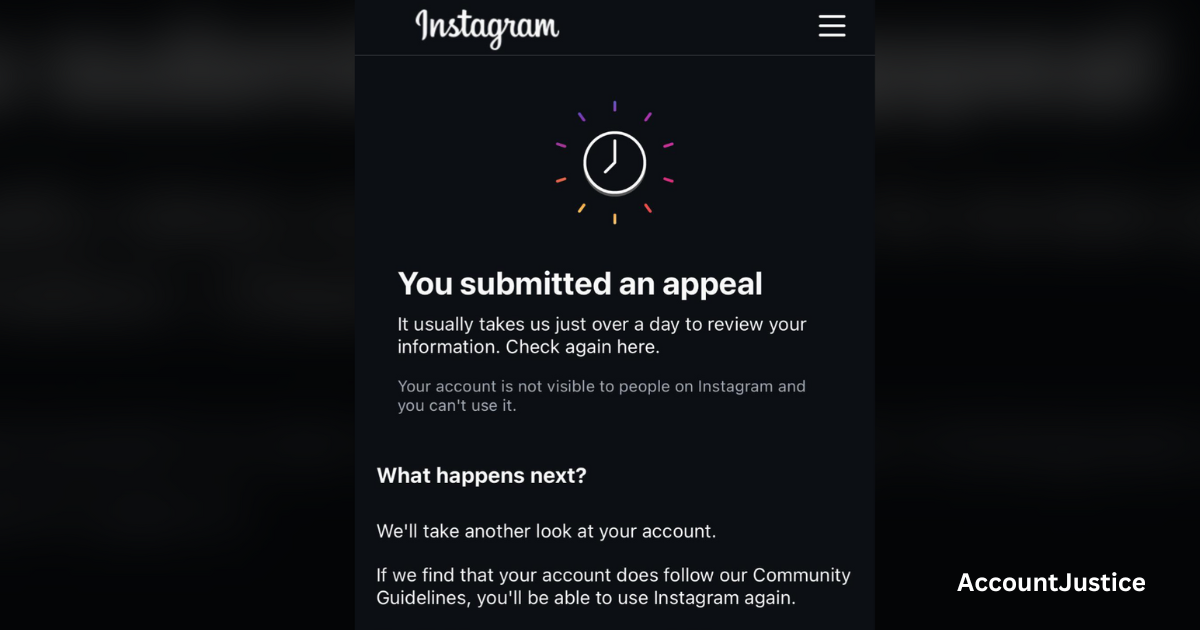
Despite appealing immediately, he received no human response — only automated replies. “We’ve lost over 10 years of memories because of a disgusting and false accusation,” David said.
He turned to Reddit and found others who were also falsely banned. On July 3, AccountJustice raised his case with Meta. Within hours, his accounts were fully restored.
“It’s a huge relief,” David said. “But the trauma, fear, and shame still linger.”
🔹 Faisal, a Student in London
Faisal was banned on June 6. As a creative artist starting to earn from Instagram commissions, the ban destroyed not only his business but also his confidence.
“They accused me of a crime I didn’t commit. It affected my health and mental state deeply,” Faisal said.
His appeal was ignored. But just like David, his accounts were restored hours after AccountJustice intervened. He received the same apology email from Meta.
“Now I worry this might show up in background checks. It’s left a lasting scar,” he added.
🔹 Salim’s Story
Another user, Salim, also found himself banned under similar accusations. He called the process “opaque and dehumanizing,” with AI falsely flagging his account as harmful. He emphasized how business accounts and normal users are being wrongly labeled by Meta’s AI.
His accounts were reinstated nearly a week later — again after involvement from AccountJustice.
What’s Causing This?
Meta refused to confirm whether it’s experiencing a systemic issue with its moderation tools, though signs are emerging internationally. In South Korea, a senior government official said Meta had acknowledged that false suspensions were happening in the region.
Dr. Carolina Are, a researcher at Northumbria University, told AccountJustice:
“Meta doesn’t disclose why a ban occurs. Users are left in the dark. The appeal process is vague, and trust in the system is eroding.”
Meta previously stated that it uses a mix of automated tools and human moderators to detect violations and that users can appeal decisions. However, critics argue that real human intervention is rare, and appeal responses are often auto-generated templates.
Policies in Question
Meta claims it targets content involving real or AI-generated depictions of minors in explicit contexts. The company says it monitors behavior such as adults being reported by teenagers or repeatedly searching for harmful terms.
When flagged for possible child exploitation, Meta reports the case to the National Center for Missing and Exploited Children (NCMEC) in the U.S., which then shares information with law enforcement globally.
The Bigger Problem
The cases of David, Faisal, and Salim represent a much larger pattern of wrongful bans on platforms like Instagram, Facebook, TikTok, X, and Snapchat. Despite growing evidence, Meta has remained silent.
Until Meta delivers transparency, fair appeals, and human moderation, thousands of innocent users may continue facing bans, accusations, and psychological trauma for crimes they never committed.
AccountJustice will continue investigating and supporting users affected by wrongful bans and moderation errors across major social platforms.
Let me know if you’d like to convert this into a PDF press release, a blog post, or submit to journalists or media outlets.